

Journal
When a question does the work
Why small talk stalls, and what a better question does instead.
By ProFluency Journal. Published 18 October 2026.
Most evenings don’t fall flat because people have nothing to say. They fall flat because the first question is too small for the room.
How was your day? pretty much asks for a weather report. Fine isn’t someone shutting you out. It’s the answer that question earned.
You already know this in your body. You’ve felt the slight drop when a good conversation turns into logistics. You’ve also felt the lift when someone asks something that makes you sit up a little — not because they cornered you, but because they left a door open and waited.
A better question doesn’t corner anyone. It opens that door and leaves it open.
Closeness doesn’t just happen
Back in 1997, Arthur Aron and a few colleagues tried something simple with strangers. They gave pairs about forty-five minutes of questions that got slowly more personal. Other pairs just made small talk. The first group came away feeling closer.
Not because you can force intimacy. Because a path helps. You share a little. They share a little. You go a step further. Small talk never leaves the porch.
The study is famous now, mostly because someone later turned it into “thirty-six questions to feel closer — or even fall in love.” That headline is louder than the paper. What Aron and colleagues actually showed is quieter and more useful: structured, escalating self-disclosure can make two people feel nearer in a short time than chat about the weather and the weekend. The study itself measured interpersonal closeness — the sense of being known — not romantic outcomes.
That’s why a card on the table can be useful. Someone else wrote the question. You only have to answer it. And when the first sentence is still polite, you can ask dime más — tell me more.
What the research is really saying
People turned Aron’s work into a romance myth. The paper is about interpersonal closeness — the sense of being known — not a guarantee of falling in love over dinner. That distinction matters if you want to use the idea without the hype.
Later research keeps circling the same three things: someone is paying attention, someone is responding, and you feel taken seriously. Harry Reis and Phillip Shaver described intimacy as a process: one person discloses, the other responds, and the first person feels understood. The question starts it. The listening does the rest.
You have probably lived both sides. You answered something true and watched the other person look past you to their phone. You also sat opposite someone who stayed with your half-finished sentence until you found the ending. One of those evenings builds closeness. The other spends an hour and leaves nothing behind.
Why thin questions win the night
Thin questions are efficient. They keep conflict low. They let a mixed table stay polite when people don’t share a first language, a politics, or a childhood. Nobody gets hurt by busy week? Nobody gets known by it either.
In bilingual homes, thin talk often wins for a second reason: speed. The safer language is the faster one. Depth wants a slower sentence, sometimes a switch mid-thought, sometimes a pause that feels longer than it is. If the room is impatient, everyone retreats to logistics.
None of that makes you cold. It makes the evening default to whatever costs the least. A better question raises the cost a little — and raises the chance that someone arrives as themselves.
At a real table
You don’t need thirty-six prompts. You need one that can’t be answered with a nod. Ask it kindly. Keep the English nearby if anyone is speaking across a language.
A simple shape for an hour with two to four people:
- Something about home or belonging — where you feel like yourself, or don’t.
- Something about a person, not a performance — who taught you a habit you still keep.
- One honest question that still lets someone pass — what you’re carrying this month that you haven’t said out loud yet.
If two languages are in the room, let the question live in both. You’re after a true answer, not a clean accent. Let people pass. Let them answer in whichever tongue the truth shows up in first. If they want, they can try one sentence in the other language after. Don’t score the evening.
The pause before someone answers is part of the conversation.
That pause isn’t awkwardness to rush past. It’s the sound of someone choosing a sentence. If you fill it with a joke or a follow-up too early, you teach the room that honesty is optional. If you wait, you teach the opposite.
How to ask without turning it into an interview
Tone does half the work. Soften your face. Keep your phone elsewhere. Match the size of the question to the trust you already have — escalating honesty works better when the first steps are small enough that everyone can take them.
If you’re hosting, go first with a medium answer, not a confession. People take their cue from how much risk you model. If you’re the learner in the room, it’s fine to read the Spanish out loud and answer partly in English. Competence is not the point. Being present is.
And if someone gives you a thin answer anyway, you still have one move left: dime más. Not as a demand. As an invitation. Sometimes the second sentence is the first real one.
What this is not
I’m not saying conversation cards fix loneliness, spark romance, or stand in for friendship. Research only points at conditions that help people feel nearer. A kitchen table still needs care, time, and consent. If someone doesn’t want to go deeper, respect that. Closeness that has to be forced isn’t closeness.
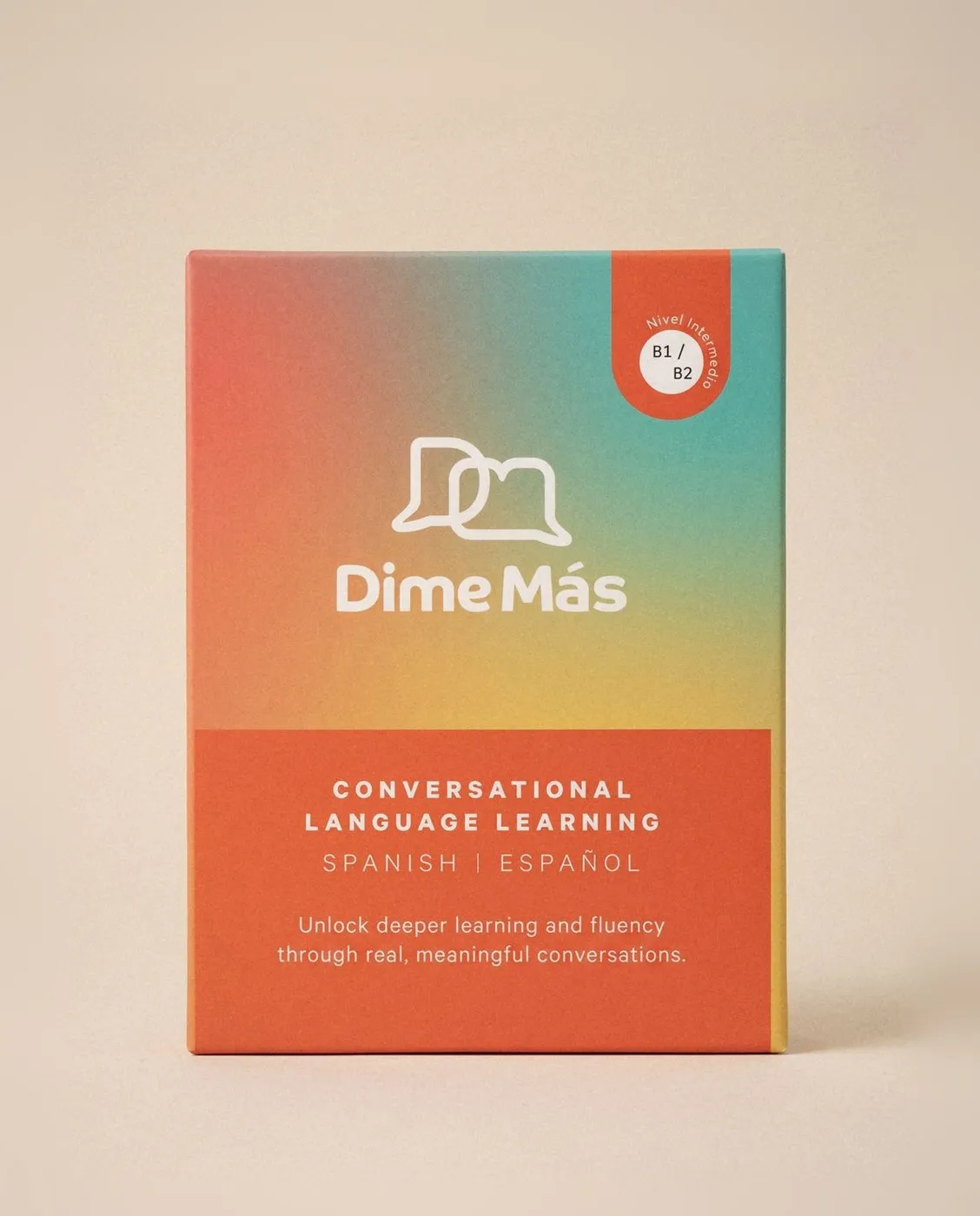
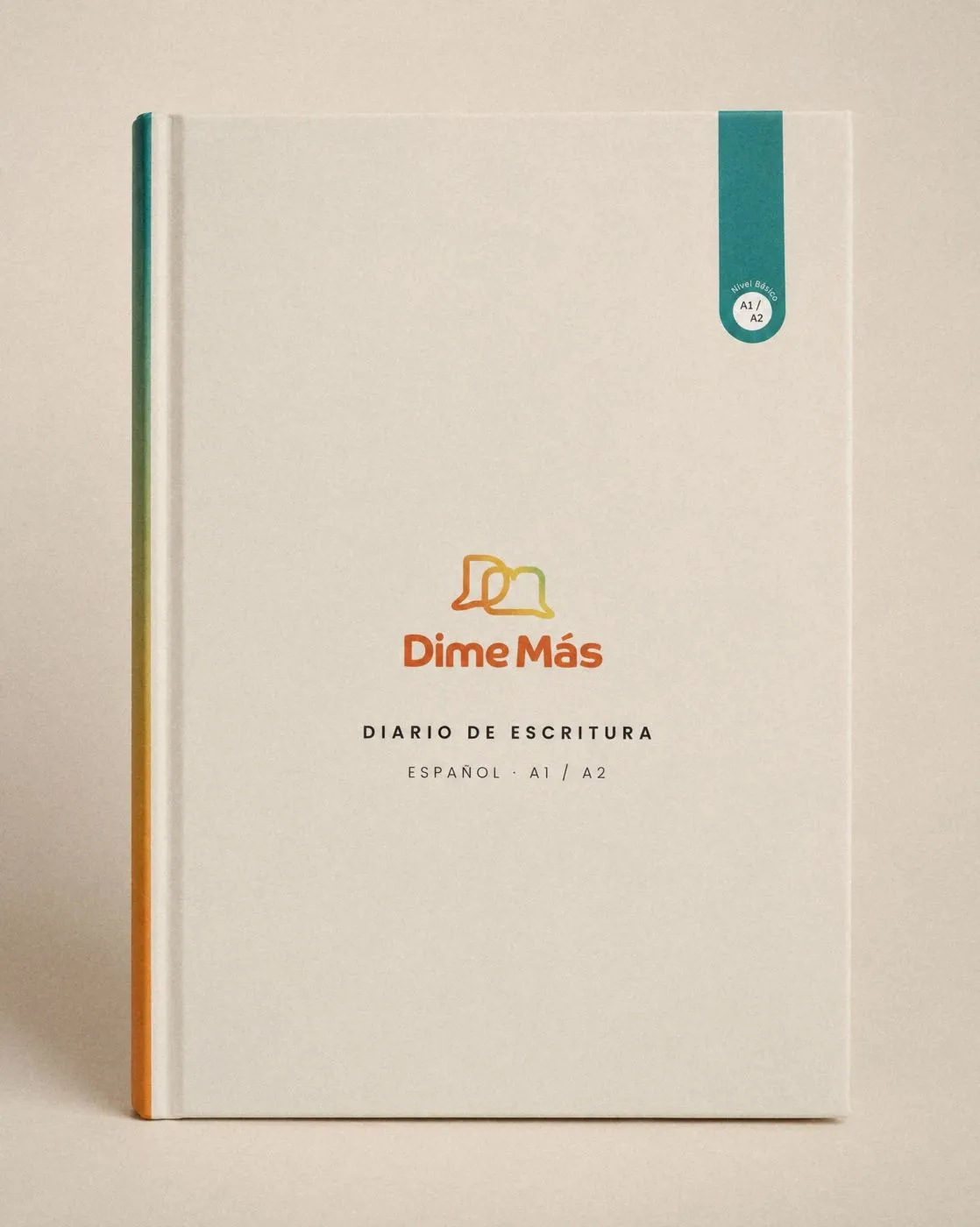
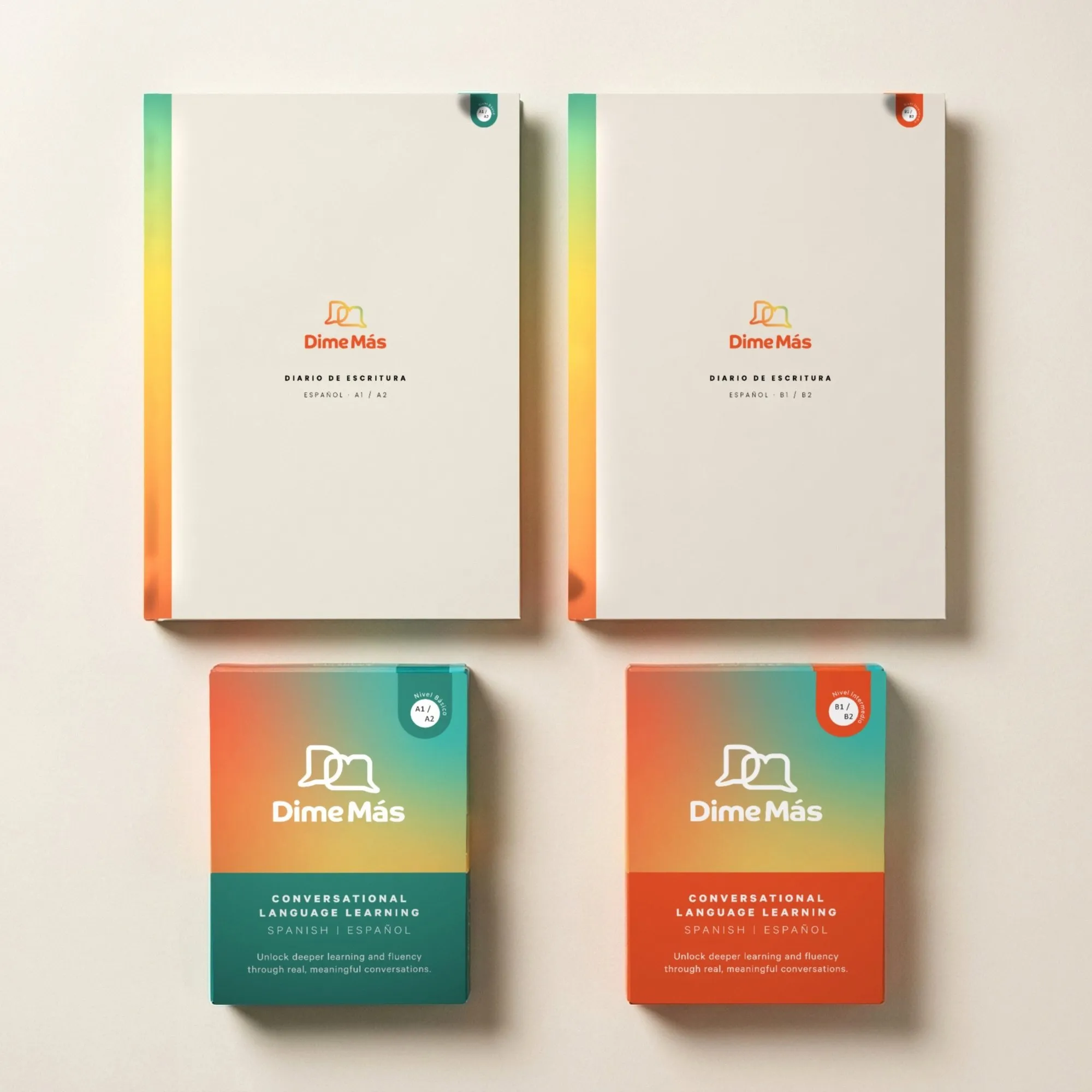
ProFluency makes tools for that pause. Dime Más is the first range: Spanish conversation cards, with English on every card, for two to four people who want to talk properly. The card doesn’t do the listening for you. It just saves you from starting with the weather when you meant to start with a person.
Take one better question into the week. Ask it. Wait longer than feels efficient. Stay for the second sentence.
Every article is built on published research and checked against the original study. Edited by Cameron Graham.
Related


A question
What question would you ask if you were not trying to fill the silence?
Get the next one by email →