

Journal
The quiet cost of thin talk
Connection is not the same as company.
By ProFluency Journal. Published 17 October 2026.
A full calendar isn’t the same as being known.
You can sit through meetings, fire off replies, pass plates at dinner, and still get to bed feeling unheard. The talk was thin. Nobody asked anything that needed a real answer. Nobody waited long enough for one.
Quick note before we go on: this isn’t medical advice. Conversation cards won’t treat loneliness or replace a proper professional if you’re struggling. This is about ordinary distance at ordinary tables — and what careful research has been quietly pointing at for years.
Connection isn’t a soft extra
Julianne Holt-Lunstad and her colleagues pulled together 148 studies and more than 300,000 people. The pattern was hard to ignore: stronger social ties lined up with a much better chance of living longer — roughly 50% higher odds of survival for people with stronger relationships.
Later work looked at loneliness, social isolation, and living alone. Across dozens of long-term studies, each one linked to a higher risk of earlier death, even when researchers accounted for other factors. I’m not sharing that to scare you. I’m sharing it because connection belongs in the same conversation as the big health stuff. It isn’t a nice-to-have on the side.
What those papers don’t say is that you need a huge circle, a perfect family, or a constant stream of plans. They point at the quality of ties — whether anyone really knows you, and whether you know them back.
Thin talk is its own kind of alone
Isolation isn’t only an empty flat. It can be a full room where nobody gets past the weather.
Researchers often split two things: how much contact you have, and how alone you feel. Both matter. You can be surrounded and still lonely if none of the contact counts. You can live alone and feel held if a few relationships are steady and real. The labels sound clinical. The experience is ordinary: a week of messages that never become conversation.
Thin talk keeps things smooth. It also leaves people strangers to each other’s inner weather. Fine in a queue. Thin soup for a friendship, a partnership, or a family that shares two languages and keeps picking the safer one.
In bilingual households, thin talk often wins because it’s faster. Depth wants a slower sentence — sometimes a switch mid-thought, sometimes a pause that makes everyone glance at their phones. If the room treats that pause as a problem, everyone retreats to logistics. The evening looks social. Nobody leaves fed.
How thin talk sneaks in
It rarely announces itself. It looks like kindness: don’t put anyone on the spot; don’t make dinner heavy; don’t ask something you can’t translate cleanly. It looks like efficiency: catch up later; we’re tired; the kids need us. It looks like fluency anxiety: better to stay in the language where nothing tender can go wrong.
None of those instincts are foolish. They’re protective. The cost is cumulative. Months of protective talk and you know everyone’s schedule better than you know what they’re carrying.
You might recognise the pattern after Christmas, after a visit home, after a language exchange that stayed on food and weather for an hour. Company happened. Connection didn’t.
What actually helps (no hype)
The studies don’t hand you a shopping list. They point a direction: more real contact. More of the conversations where someone is actually seen.
In practice, that can look almost embarrassingly small:
- Fewer people at the table, not more.
- Phones in another room.
- One question that can’t be answered with a nod.
- Permission to pass.
- Permission to answer in whichever language lets the truth out first.
- Ten extra seconds of quiet after someone finishes, in case a second sentence is coming.
If you live between languages, expect depth to cost a little more time. That slowness isn’t a fluency failure. It’s the cost of meaning something. A card with Spanish and English on the same face can lower the barrier without turning the evening into a lesson.
Being around people isn’t the same as being with them.
A week of slightly thicker talk
You don’t need a reinvention. Try one thicker conversation in the next seven days. Not a confrontation. Not a therapy session. One question with a person you already sit near — a partner, a parent, a friend, someone you love across a language.
Ask about home, or belonging, or a person who shaped them. Listen past the first polite line. If they answer thinly, you can still offer tell me more without pushing. If they pass, let them. Respect is part of closeness too.
If the conversation stalls, that isn’t failure. It’s information. Maybe the timing was wrong. Maybe trust needs a smaller step first. Aron-style escalating honesty works best when the early steps are easy enough that everyone can take them.
A careful last word
If loneliness, low mood, or fear is getting in the way of daily life, talk to someone qualified. Big studies about populations aren’t a diagnosis, and they aren’t a treatment plan. Tools for a table are not a substitute for care.
For the rest of us, on a normal Tuesday, the ask is modest. Make one conversation a bit thicker. Ask something that needs a person, not a performance. Listen past the first polite line.
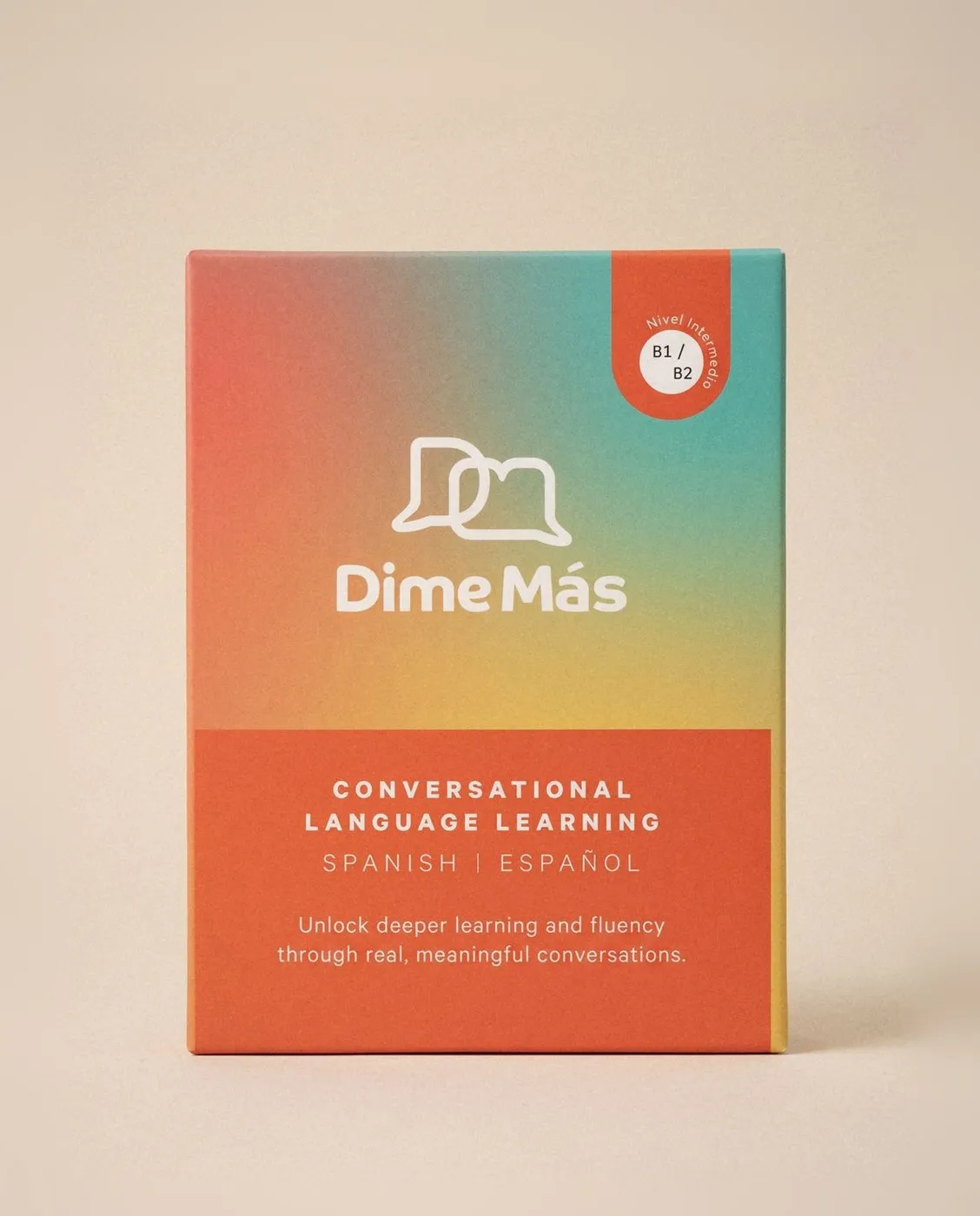
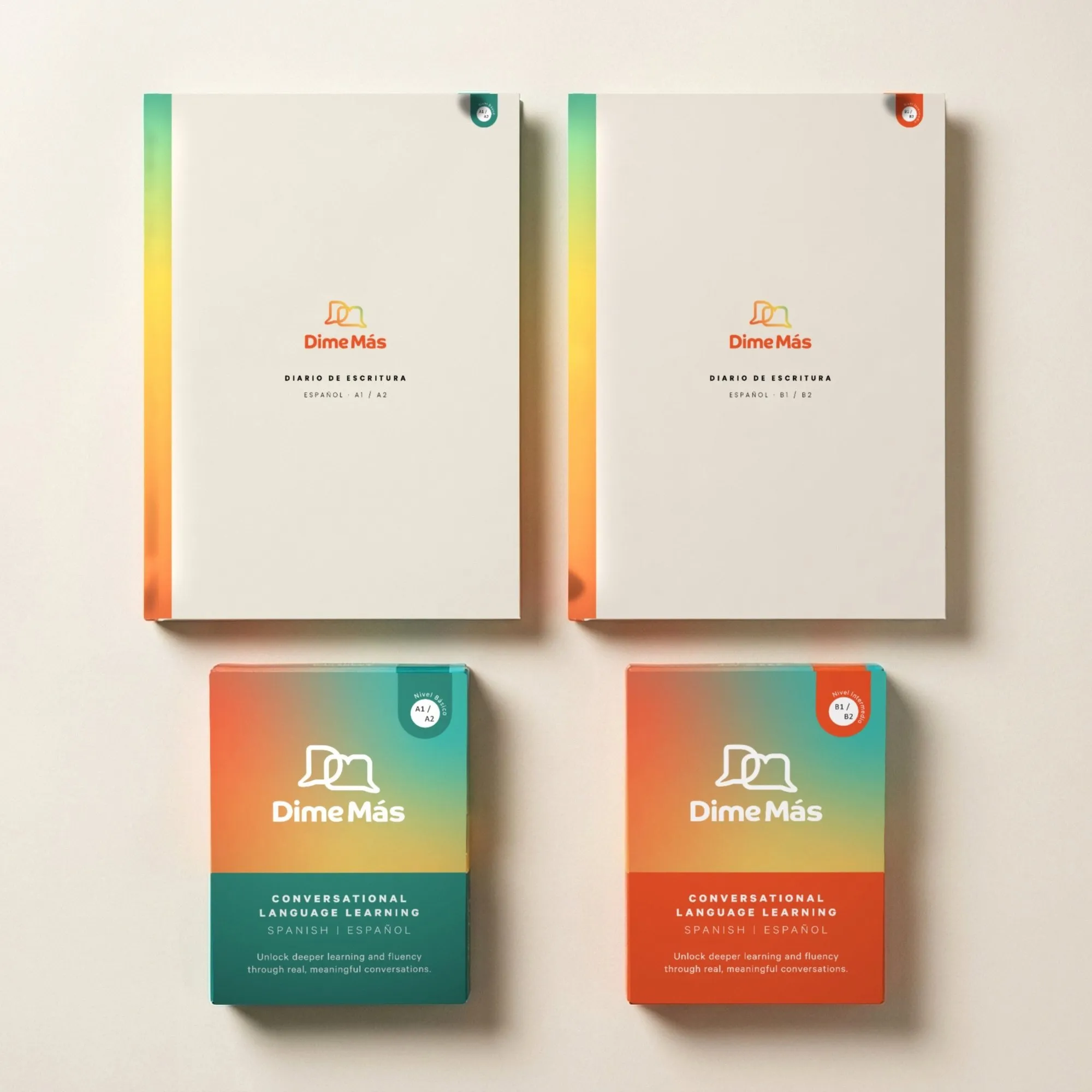
That’s the kind of table ProFluency is for. Language is one way in. Connection is the point. Dime Más exists so the question is already written when the room is tired of inventing one — Spanish on the card, English beside it, room for whoever needs either.
Every article is built on published research and checked against the original study. Edited by Cameron Graham.
Related


A question
Where do you have company, but not much conversation?
Get the next one by email →