


How to stop translating in your head when you speak
By ProFluency Journal. Published 15 October 2026.
If you learned a language as an adult, you probably build each sentence in your own language first and then carry it across, word by word. It feels slow because you’re doing two jobs at once.
I still catch myself doing it in Spanish. I learned it by living in Spain and I’m at an intermediate level now, so most of what I know about this comes from noticing myself plan a whole sentence in English before I’ve said a word. That’s why the examples here are Spanish. It works exactly the same the other way round, though. A Spanish speaker learning English is probably drafting in Spanish first, and the same goes for anyone learning any language.
You won’t stop just by deciding to. What helps is answering questions you actually care about, in short sentences, often. I can’t promise a switch that flips for good, so what follows is ordinary practice for an ordinary week.
Why your first language gets there first
Your first language is where your life already happens. It’s where your work is, and your jokes, and the story of your day. The new language is still somewhere you visit, so of course you plan the sentence in the place where you feel safe.
There’s nothing lazy about that. Your brain is reusing the system it trusts most. What you’re trying to do is give the new language a few routes of its own, so that not every sentence has to go through a full draft first.
You’ll probably notice it gets worse when the stakes go up, say at your partner’s family’s table, in a meeting, or when the subject is personal. You want to be precise, so you reach for the language you know best. That’s you caring about getting it right. Loosen the habit at the kitchen table first and take it into louder rooms later.
Answer shorter
A full paragraph from your first language is never going to arrive on time. Answer with one true sentence, then another. Echo de menos el ruido de la calle, I miss the noise of the street. You can stop there. That’s a complete turn in a conversation.
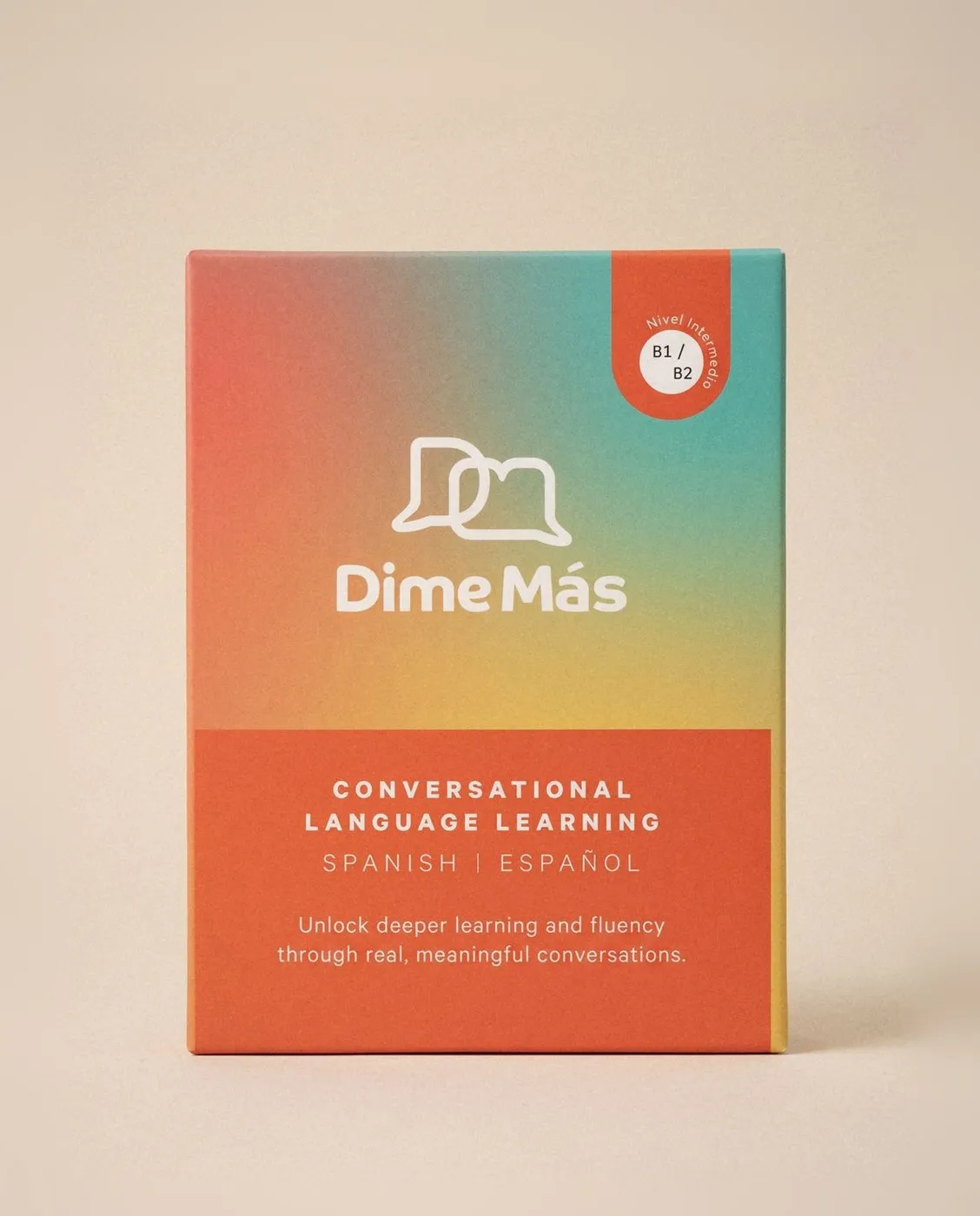
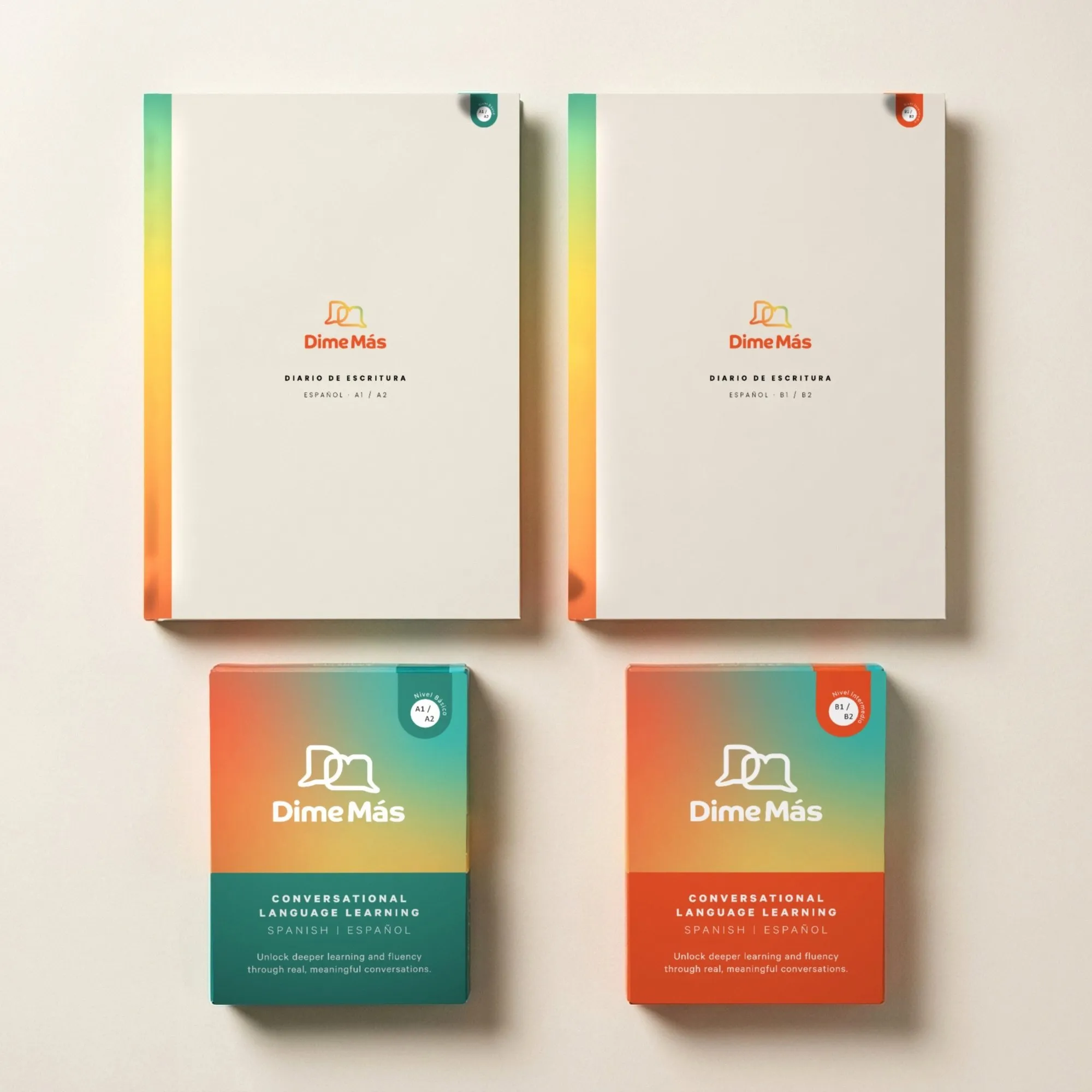
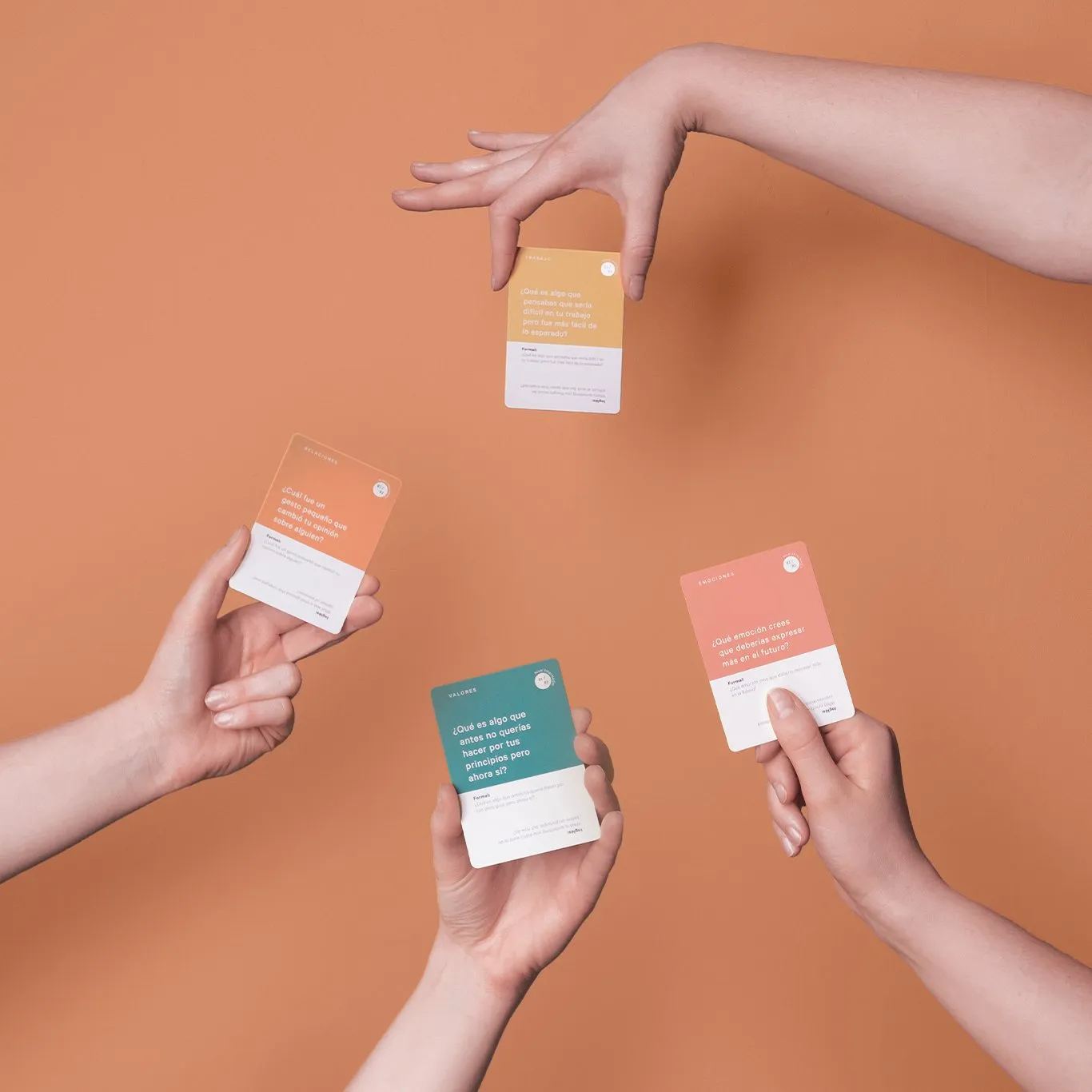
This is one of the reasons I like cards. The question is already there in the language you’re practising, so you don’t have to invent the prompt, you only have to answer it. With Dime Más the question is in Spanish with the English on the same card, so you can start in Spanish and only glance at the English if you get stuck. Glancing is fine. Staying there for the whole answer is what slows you down.
If you catch yourself composing a speech, cut it in half, and then in half again. Spoken language grows out of lots of short true sentences much more than one long beautiful one.
Say the question out loud first
Before you answer, read the question aloud in the language you’re practising. It puts the grammar in the air. If you skip this, you’re far more likely to slip back into your own language, because you never really started the sentence in the new one.
It also gives you a second to settle. Your mouth gets going before your head has finished drafting. It’s a small thing, but it’s one of the most reliable tricks I know.
Keep a few sentence starters ready
A few useful ones in Spanish:
Echo de menos…, I miss…
Antes solía…, I used to…
Lo que quiero es…, What I want is…
Lo que me sorprendió fue…, What surprised me was…
Todavía estoy aprendiendo a decir…, I’m still learning how to say…
They aren’t scripts, just ways in. Use one to get started and then say what’s actually true for you. Once a starter has been used a lot, the rest of the sentence has somewhere to land without a full plan behind it.
Add your own as well. If you always end up talking about work, or food, or your street, have a couple of openings ready for those. The ones you’ll actually use are worth far more than any generic phrase list.
Say them out loud when nobody’s listening. You want echo de menos to come out as one piece, rather than three English words waiting their turn to be translated.
When translating is the right thing to do
Sometimes you should translate. If you need to be precise, with a doctor, a contract or anything important, take your time and translate carefully. Being clear matters far more than sounding fluent. Save the looser practice for the kitchen, where a pause is allowed.
It’s useful when you’re learning a new word on purpose, too. Look it up, write it down and use it in your next answer, then put the dictionary away. Translation is a good tool. It only gets in the way when it’s the only route you’ve got every time you open your mouth.
A practice that fits into a normal week
Take one question. Say it out loud, then answer in three sentences in the language you’re learning, even if they’re clumsy. Check a word afterwards if you want to, but don’t start with the dictionary.
If you freeze, read the question in your own language first, then in the one you’re learning, and give a shorter answer than you’d planned. Freezing often means the thought was too big for the words you’ve got right now. Make the thought smaller and keep it true.
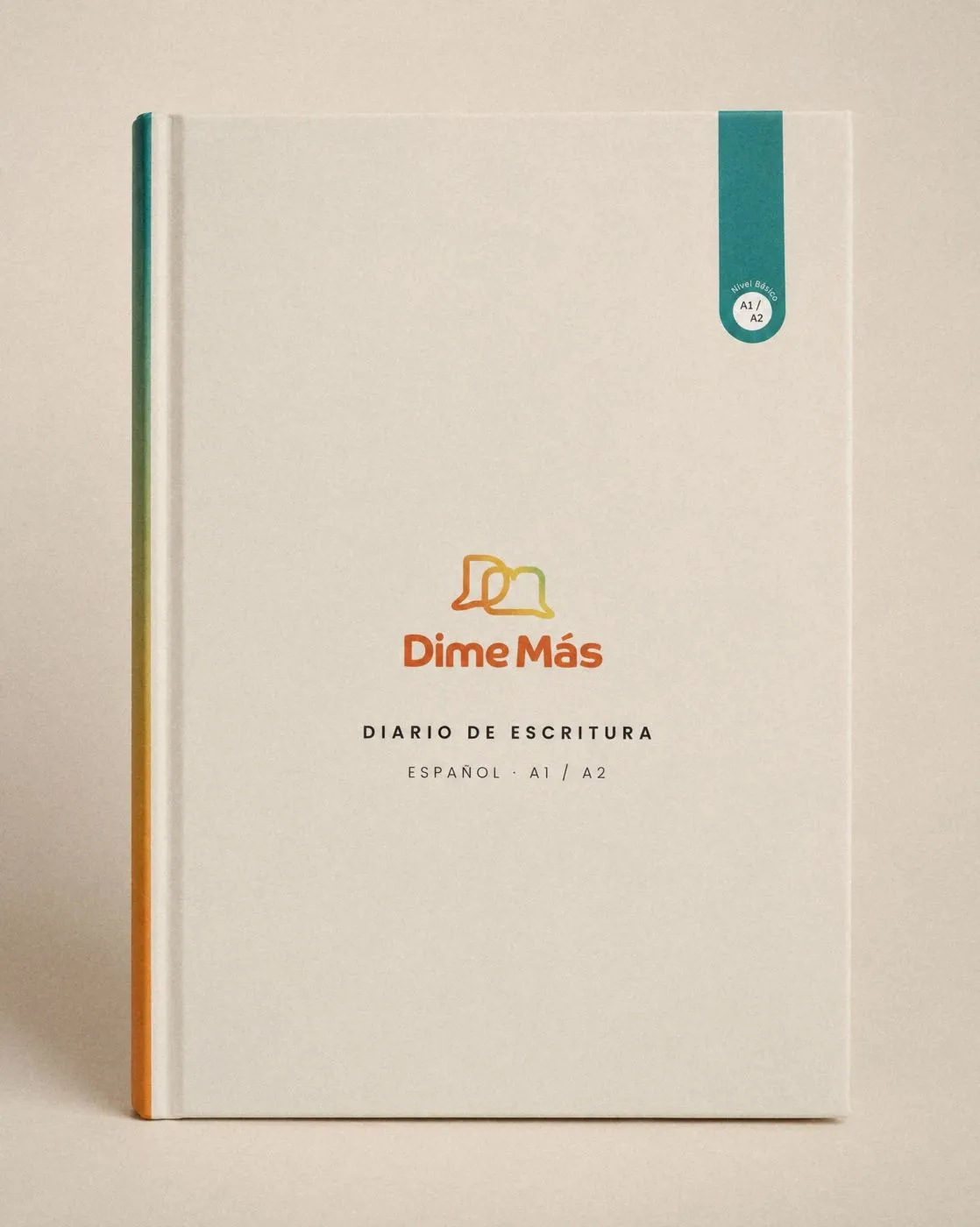
One rhythm you could try is speaking on Monday, writing midweek, and then asking someone else the same question on Friday. Writing can lean on a bit of translation. When you’re speaking, try the short route first. That’s what the Dime Más Journal is for. It’s coming soon, with twenty weeks of prompts to write and then say out loud. Until then, any notebook will do.
What progress actually feels like
You won’t wake up one morning with no English in your head. Progress is slower and smaller than that. A starter comes out without any effort, or you get three sentences into an answer before reaching for the draft. One day a joke half lands, or a word for a feeling turns up in the new language first.
Notice those moments, because they’re easy to miss if you’re waiting to be perfect. Translating less doesn’t mean never translating. It means having more than one route, including a short one, when the room is kind.
If a louder room brings the draft roaring back, that’s normal. Make the audience smaller, keep your answers shorter and try again. Getting back to it is the skill, much more than being fluent on demand.
So this week, notice which sentence you still build in your own language first, and try answering that thought with one short line out loud before the dictionary comes out. If you want questions to practise with, the question archive has plenty, with English first and your language beside it.
Every article is built on published research and checked against the original study. Edited by Cameron Graham.
Related
A question
Which sentence do you still build in your own language first?
Get the next one by email →