

50 Spanish conversation questions you'll actually use (with English)
By ProFluency Journal. Published 15 October 2026.
A list of conversation questions is only any use if you’d actually say one of them to a real person, so that’s what I had in mind when I put these together.
They’re in Spanish because that’s the language I learned, living in Spain, and I’m still learning it now. The English sits next to each one, and the questions themselves would work in pretty much any language. If you’re a Spanish speaker practising your English, just read them the other way round. If you’re learning something else, the question archive has questions like these with English first and your language beside it.
None of them is a test and you don’t need a teacher in the room. They’re grouped loosely around relationships, feelings, work and values, with a few about home and travel thrown in. Use them over dinner, on a walk, or when a language exchange has started to run out of steam.
How to use them
Read the question out loud in the language you’re learning, even if you switch straight after. Then stay with the answer for a while before you move on. If you want to go further, dime más, tell me more, does the job nicely. Two or three questions can easily fill an evening, so think of the fifty as something to dip into rather than work through.
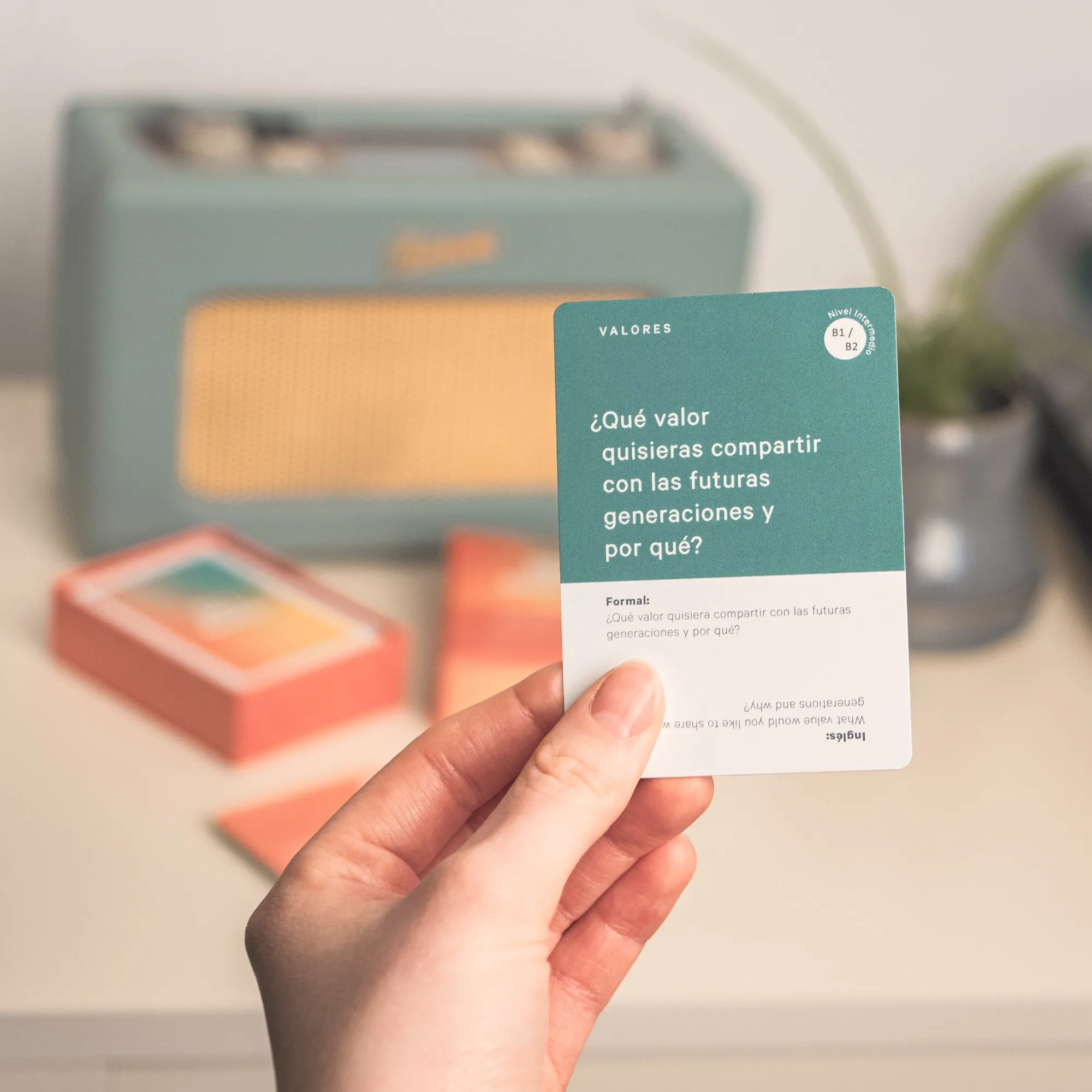
If you’re nearer the beginning, around A1 or A2, pick the shorter ones and keep the English where you can see it. If you’re at B1 or B2, try staying in the language you’re learning after the first sentence.
Home and belonging
- ¿Qué es lo que más echarías de menos si te mudaras? What would you miss most if you moved away?
- ¿Cómo suena tu casa por la mañana? What does your home sound like in the morning?
- ¿Qué olor te recuerda a tu infancia? Which smell reminds you of your childhood?
- ¿Cuándo sentiste por primera vez que pertenecías a un lugar? When did you first feel you belonged somewhere?
- ¿Qué te llevaste contigo la última vez que te mudaste? What did you take with you the last time you moved?
- ¿Qué costumbre de tu casa no entienden los demás? Which habit from your home do other people not get?
- ¿En qué habitación piensas mejor? Which room do you think best in?
- ¿Qué parte de tu ciudad nunca enseñas a las visitas? Which part of your town do you never show visitors?
- ¿Qué echas de menos de un lugar donde ya no vives? What do you miss about somewhere you don’t live any more?
- ¿Qué necesita una casa para que la sientas tuya? What does a house need before it feels like yours?
Love and family
- ¿Cómo se dice “te quiero” en tu familia? How do people say “I love you” in your family?
- ¿A quién llamas cuando te pasa algo bueno? Who do you call when something good happens?
- ¿Qué pregunta nunca te hace nadie? What question does nobody ever ask you?
- ¿Con quién te sientes una persona diferente cuando hablas? Who do you feel like a different person talking to?
- ¿Qué te gustaría decirle a alguien y todavía no le has dicho? What would you like to tell someone that you still haven’t?
- ¿Quién te enseñó a escuchar? Who taught you to listen?
- ¿Qué te da vergüenza admitir que echas de menos? What are you embarrassed to admit you miss?
- ¿Cómo eran las comidas en tu casa durante tu infancia? What were mealtimes like at home when you were growing up?
- ¿Qué te gustaría que tu pareja entendiera sin tener que explicárselo? What would you like your partner to understand without you having to explain it?
- ¿A quién te pareces cuando te enfadas? Who are you like when you’re angry?
Work and everyday life
- ¿Qué parte de tu trabajo no ve nadie? Which part of your work does nobody see?
- ¿En qué momento del día eres más tú? What time of day are you most yourself?
- ¿Qué harías si no tuvieras miedo a equivocarte? What would you do if you weren’t afraid of getting it wrong?
- ¿Qué te cansa que no sea el trabajo en sí? What tires you out that isn’t the work itself?
- ¿A quién le cuentas que has tenido un mal día? Who do you tell when you’ve had a bad day?
- ¿Qué aprendiste tarde sobre el dinero? What did you only learn later on about money?
- ¿Qué preferirías que tu jefe no viera nunca? What would you rather your boss never saw?
- ¿Cuándo fue la última vez que pediste ayuda? When did you last ask for help?
- ¿Qué querías ser de mayor? What did you want to be when you grew up?
- Si pudieras cambiar una sola hora de tu semana, ¿cuál sería? If you could change just one hour of your week, which would it be?
Values, travel and language
- ¿A dónde llevarías a alguien que viene a tu ciudad por primera vez? Where would you take someone visiting your town for the first time?
- ¿Qué le preguntarías a un desconocido en otro país? What would you ask a stranger in another country?
- ¿Qué costumbre de otro país te quedarías? Which habit from another country would you keep for yourself?
- ¿Qué te da miedo perder de tu idioma? What are you afraid of losing from your own language?
- ¿En qué idioma sueñas? What language do you dream in?
- ¿Qué palabra de tu idioma no tiene buena traducción? Which word in your language doesn’t translate well?
- ¿Qué es lo que de verdad te importa, aunque no lo digas? What really matters to you, even if you don’t say it?
- ¿Qué es lo que más te ha costado perdonar? What’s been the hardest thing for you to forgive?
- ¿Qué promesa te cuesta cumplir? Which promise do you find hard to keep?
- ¿Qué te gustaría dejar de fingir? What would you like to stop pretending?
- ¿Dónde encuentras un poco de paz cuando todo va deprisa? Where do you find a bit of peace when everything’s rushing?
- ¿Qué te ha enseñado alguien con quien no estás de acuerdo? What has someone you disagree with taught you?
- ¿Qué te gustaría que alguien te preguntara esta noche? What would you like someone to ask you tonight?
- ¿Qué recuerdo nunca cuentas porque te parece pequeño? Which memory do you never share because it seems too small?
- ¿Cuándo sientes que alguien te entiende de verdad? When do you feel someone really gets you?
- ¿Qué cambiarías de cómo se habla en tu familia? What would you change about the way your family talks?
- ¿Qué te da vergüenza decir incluso en tu propio idioma? What’s embarrassing to say even in your own language?
- ¿Qué te gustaría practicar sin que nadie te corrija? What would you like to practise without anyone correcting you?
- ¿Por qué empezaste a aprender este idioma? Why did you start learning this language?
- ¿Qué no te he preguntado que te gustaría contarme? What haven’t I asked you that you’d like to tell me?
Using them well
Please don’t fire all fifty at someone in one go, or it’ll start to feel like an interview. Pick one, ask it and wait. The pause before someone answers is part of the conversation, so let it happen and resist the urge to fill it.
The best answers usually come a minute or two in, once the first polite reply is out of the way. If someone gives you a short answer, it’s fine to sit with it, nod, and see whether more comes. Often it does. And if a question doesn’t land, drop it and pick another. Some will suit the person in front of you and some won’t, and you’ll get a feel for which is which.
You can also turn them back on yourself. Answer one out loud before you ask it, so you’ve had a go at the language you’ll need, and so you know what it feels like to be asked. That’s useful practice on its own, especially if you don’t have anyone to talk to yet.
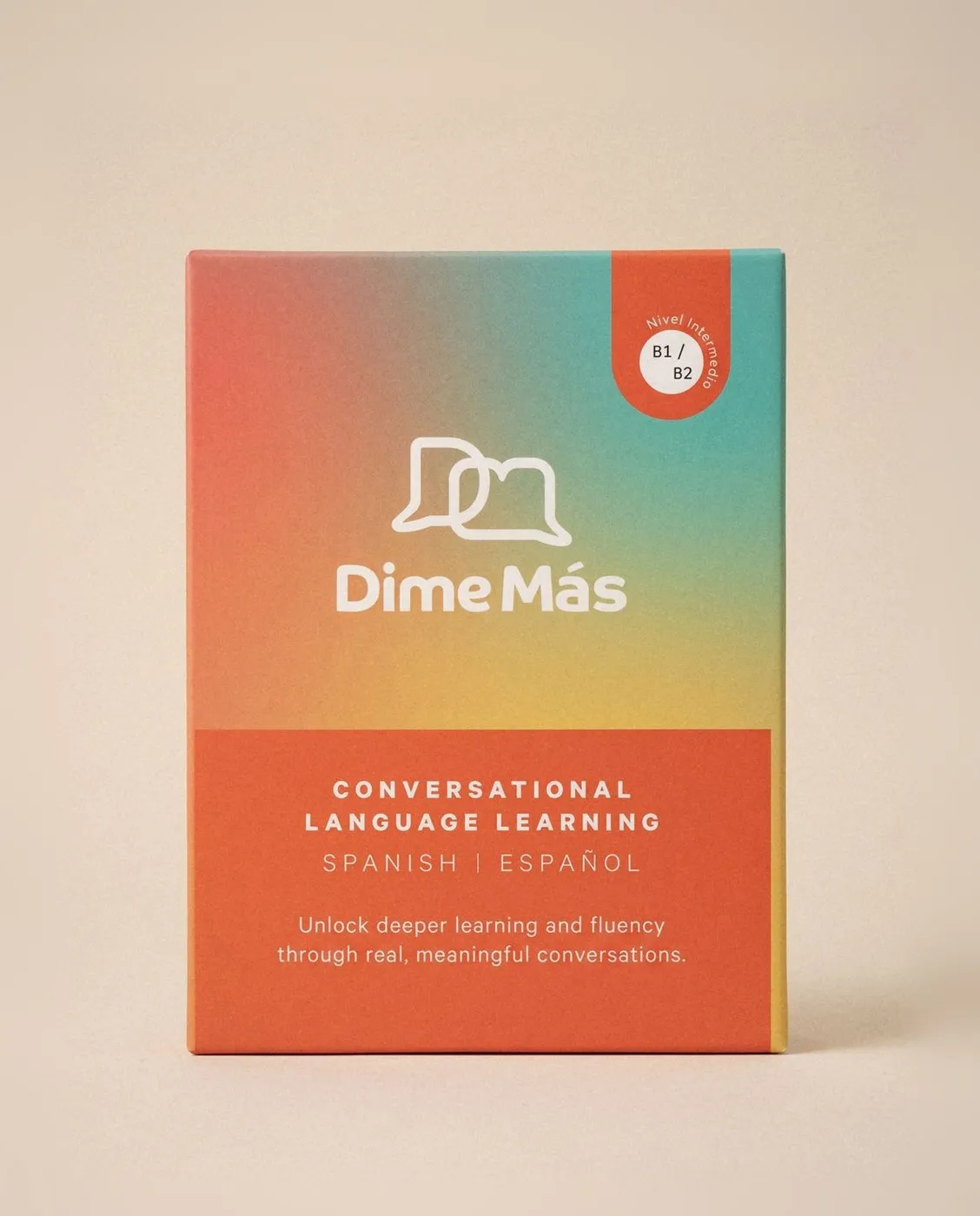
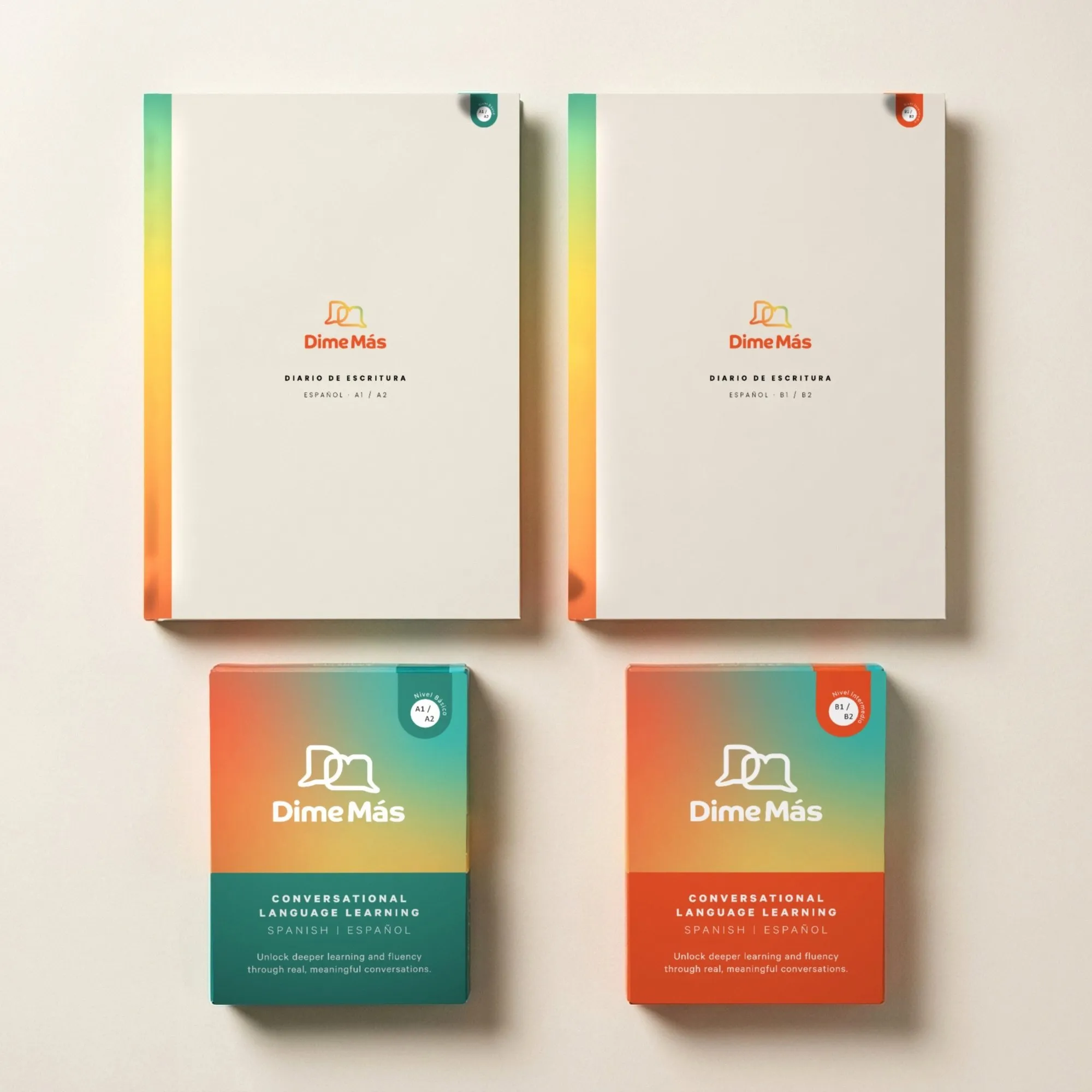
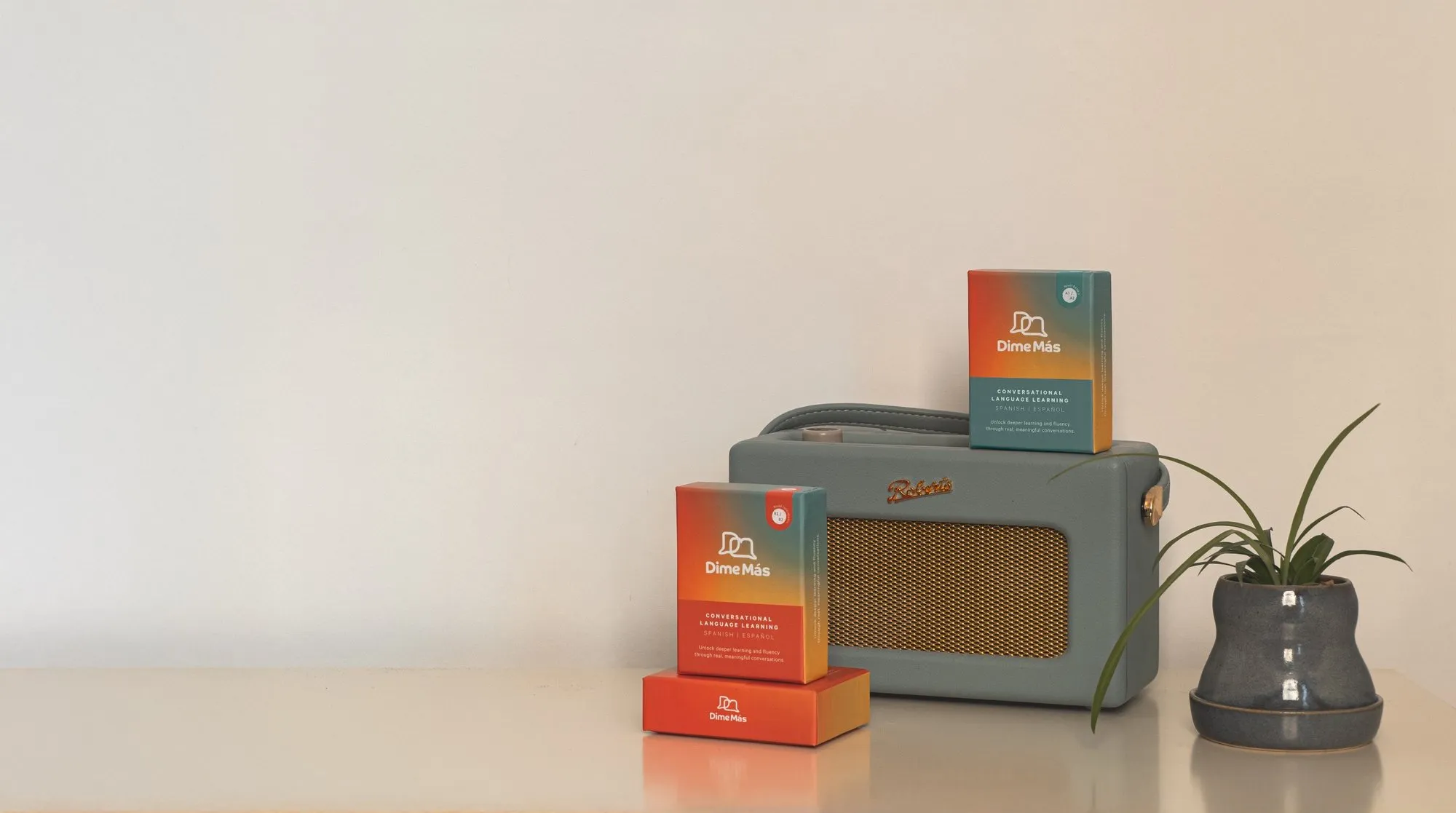
If you’d like questions like these in a box you can put on the table, with Spain Spanish and English on every card, that’s what Dime Más is.
Every article is built on published research and checked against the original study. Edited by Cameron Graham.
Related

A question
Which of these would you actually ask someone tonight?
Get the next one by email →