

Archive
What would you ask a stranger in another country?
¿Qué le preguntarías a un desconocido en otro país?
Skip the weather. Ask what they would miss if they left. You may get the city, not the postcard.
Why it works
Strangers are usually offered the safest questions: where are you from, what do you do, how long are you staying. Those can open a door. They can also close one, especially when “where are you from” is doing more work than curiosity. Asking your table what they would ask a stranger shows you what they’re curious about, and how they’d like to be met somewhere new. Most people have a better question in them than the one they usually reach for.
In Spanish
Un desconocido is literally “someone unknown”, the everyday word for a stranger. Preguntarías is “would you ask”, and the small le points to the person being asked. To answer, start with Le preguntaría… (I’d ask them…). If you’d ask in Spain, tú is common between people of a similar age in relaxed settings, while usted is the safer choice with someone older or somewhere formal.
How to ask it
Ask it lightly. You’re not interviewing. Let each person give their question, then try one or two out on each other, in Spanish if you can. With the English beside the Spanish, both of you can hold the meaning even when the words wobble. That wobble is allowed. Interest matters more than polish. Then try the follow-up below, which turns the question round to the person answering.
If you’re shy, practise the question first with someone you already know. Notice how the answer changes the air. Then, when a stranger turns up in an ordinary place, a queue or a train, you’ll already know how little bravado it takes. A clear voice is enough, and a willingness to hear whatever comes back.
A follow-up question
Who do you become when nobody knows you?
¿En quién te conviertes cuando nadie te conoce?
From the journal: They liked you more than you think →
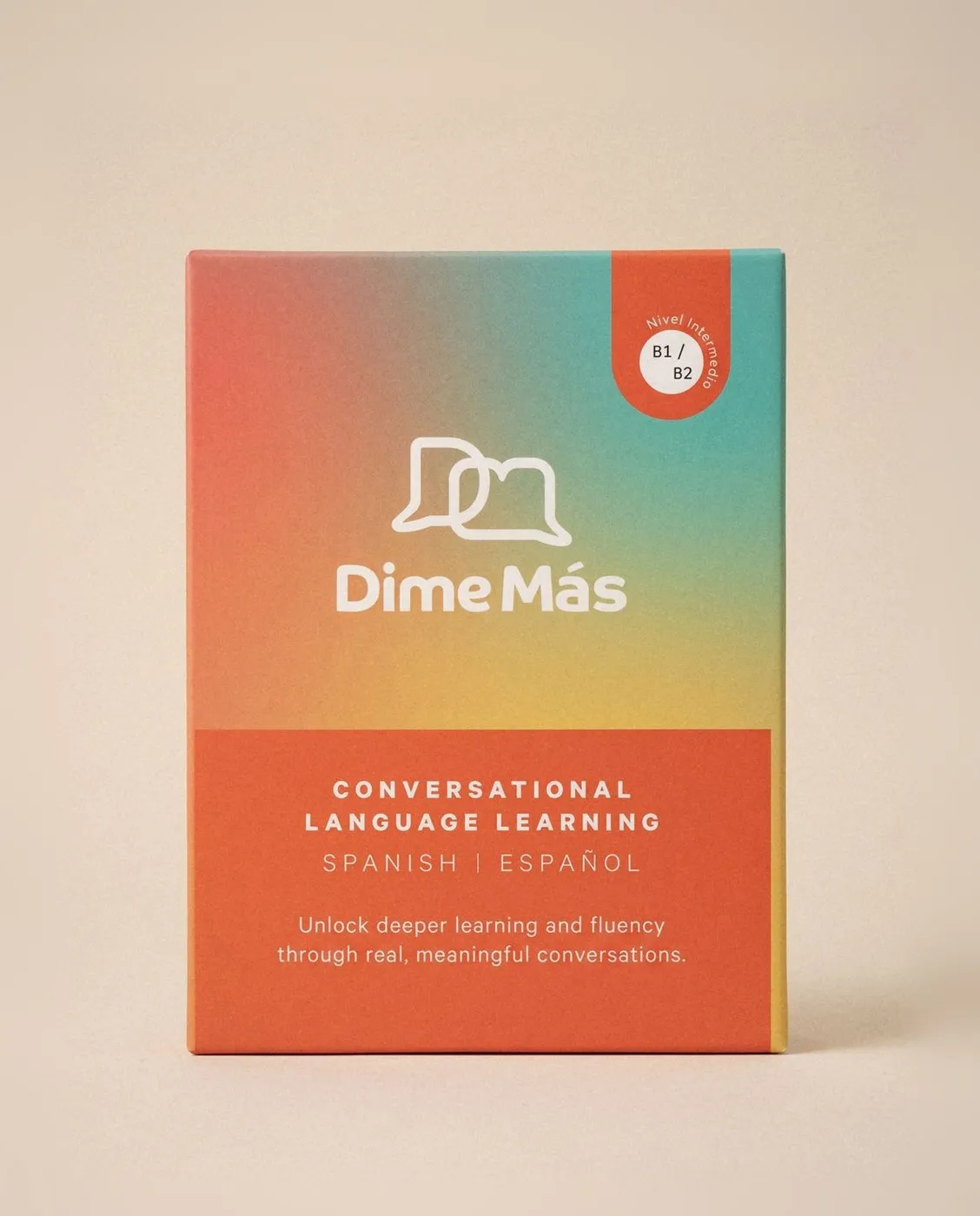
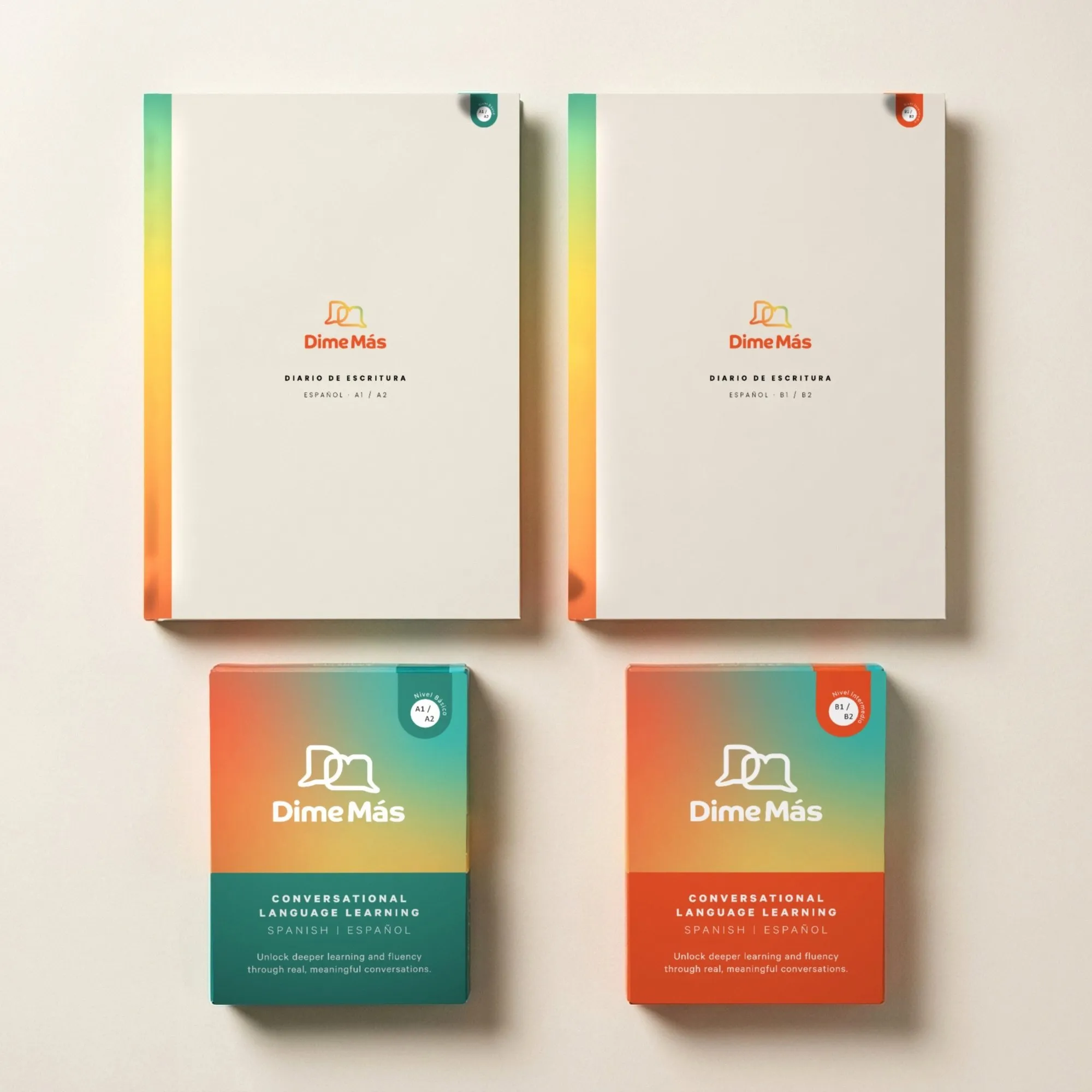
Ask it at the table this week. If you want a box of prompts with English on every card, that is what Dime Más is for.