


Spanish phrases for travel that start real conversations
By ProFluency Journal. Published 15 October 2026.
Phrasebooks are great for the café and the train station. Where they let you down is the moment somebody actually talks back. If part of the reason you travel is to use a language you’re learning, it helps to have a few lines ready that get a person talking, and not just a transaction done.
The phrases here are in Spanish, because that’s the language I picked up through living in Spain, and I’m still working on it. The idea travels, though. If you’re a Spanish speaker on a trip somewhere English is spoken, the English beside each line is the bit you’d use. If you’re learning something else entirely, the same sort of questions work there too.
You’re not aiming for a perfect accent in a new city. What you’re hoping for is a moment where someone tells you about where they live as a home, rather than as a backdrop for your photos.
A few good openers
¿Me recomiendas algo que no salga en las guías?, can you recommend something that isn’t in the guidebooks?
¿Qué echarías de menos de aquí si te fueras?, what would you miss about this place if you left?
Estoy aprendiendo español. ¿Te importa si practico un poco contigo?, I’m learning Spanish, do you mind if I practise a bit with you?
None of these are clever. They work because they let the other person talk about their place as somewhere they actually live, which is a very different conversation from asking them to review it.
A few more that tend to go down well:
¿Quién te enseñó a hacer esto?, who taught you to make this? It’s a lovely one for food, crafts or anything handmade.
¿Cómo era este barrio hace unos años?, what was this neighbourhood like a few years ago?
Si me quedara un día más, ¿qué debería ver?, if I stayed one more day, what should I see?
In Spain people use tú with each other a lot, even with strangers, so the phrases above use it. With someone older, or anyone you’d naturally be a bit more formal with, usted is the safe choice.
Keep your questions short and listen for longer than you talk. If the answer comes back fast and you can’t keep up, tell them the part you did catch and try dime más, tell me more. Or just thank them. Nobody minds.
When you’re someone’s guest
If someone has you over for a meal, ask about the food as a story. ¿Quién te enseñó esta receta?, who taught you this recipe? Then stay for the names and the memories that come with them.
If you’re eating out with friends, one question is plenty. Getting a whole box of cards out on a packed restaurant table can feel like a bit much, so read the room. The people cooking and serving your food aren’t there to be part of your trip.
Offer something about yourself as well, like where you’re from, what you’d miss about home or why you wanted to come. If you only ever ask, it starts to feel like tourism, however polite your Spanish is.
In shops and out walking
People in shops are at work, so keep it short. A compliment and one question is about right. If you’re out walking and someone has already stopped to help you, you can usually go a little further.
Always leave yourself a way to step back. Muchas gracias, de verdad, thanks so much, really. And try not to turn strangers into free teachers. Asking about where they live is friendly. Asking for a grammar lesson in a doorway is a lot to put on someone.
When people switch to English
This happens all the time, wherever you’re travelling. Someone hears your accent and switches to English to put you at ease. That’s hospitality, and it doesn’t mean your Spanish wasn’t good enough.
You can accept it and still practise. Say thanks, and ask whether you can try one question in Spanish anyway. Gracias. ¿Te puedo preguntar una cosa en español? If they say yes, go for it. If they’d rather stay in English, go with that. They’ve got their own day to get on with, and a good question should leave someone feeling you were interested in them, not that they were used for practice.
What to take besides phrases
Patience, and a willingness to look a bit daft now and then. Something to write in is useful as well, because a question that worked in a market will work again at your own kitchen table.
If your mind goes blank, say so lightly. Perdona, me he quedado en blanco, sorry, my mind’s gone blank. Smile, use the word from your own language if you need to, and come back to it. Freezing in someone else’s city happens to everyone who’s ever tried.
Be ready for the Spanish you learned not to match the Spanish on the street, too. Listen out for local words and ask what people actually say. If someone corrects you kindly, take it as the favour it is and don’t let it bother you for long.
When you get home
Write down the question that worked best and ask it again at home. The trip only lasts a week or two, but the habit of asking can stay with you for a lot longer.
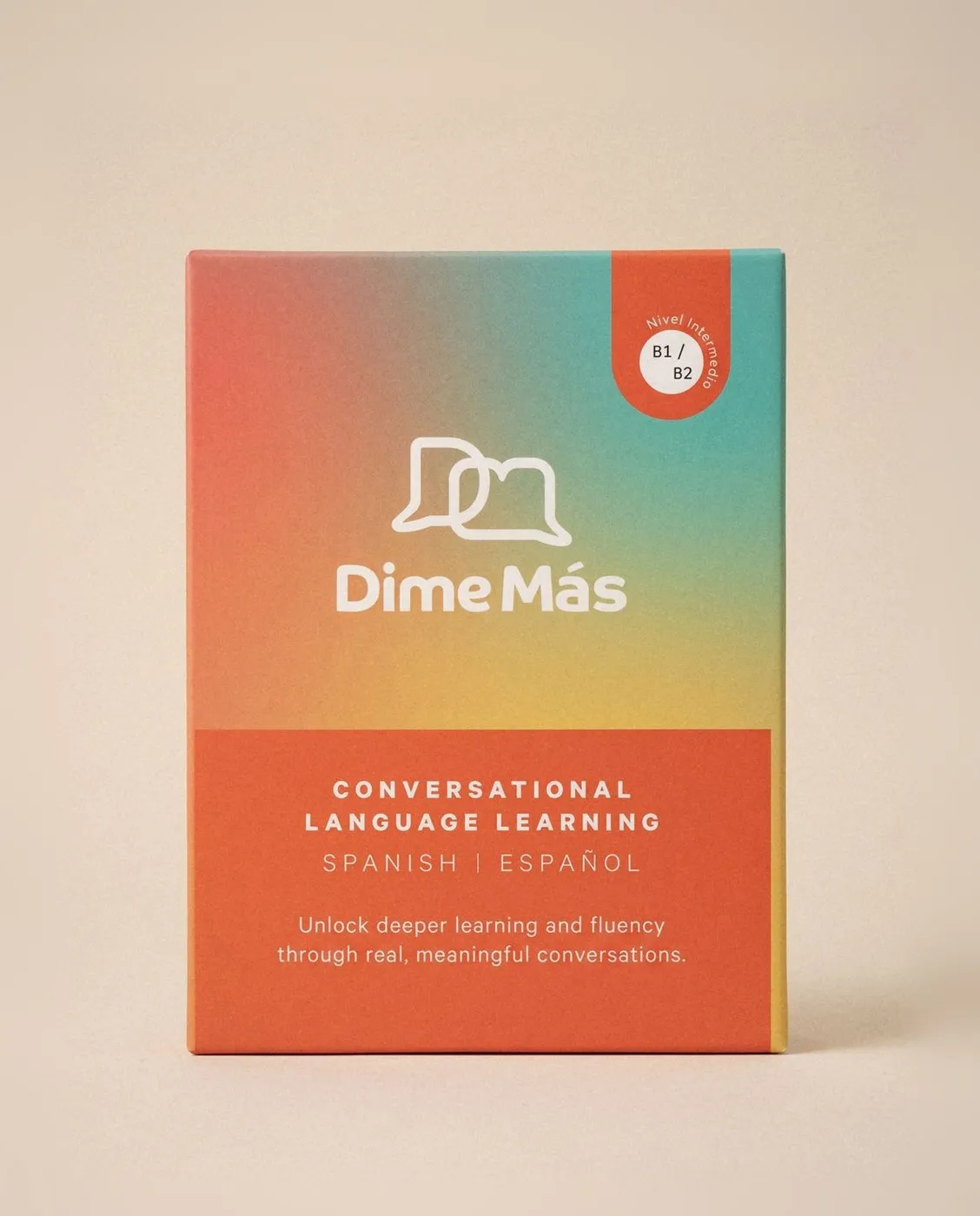
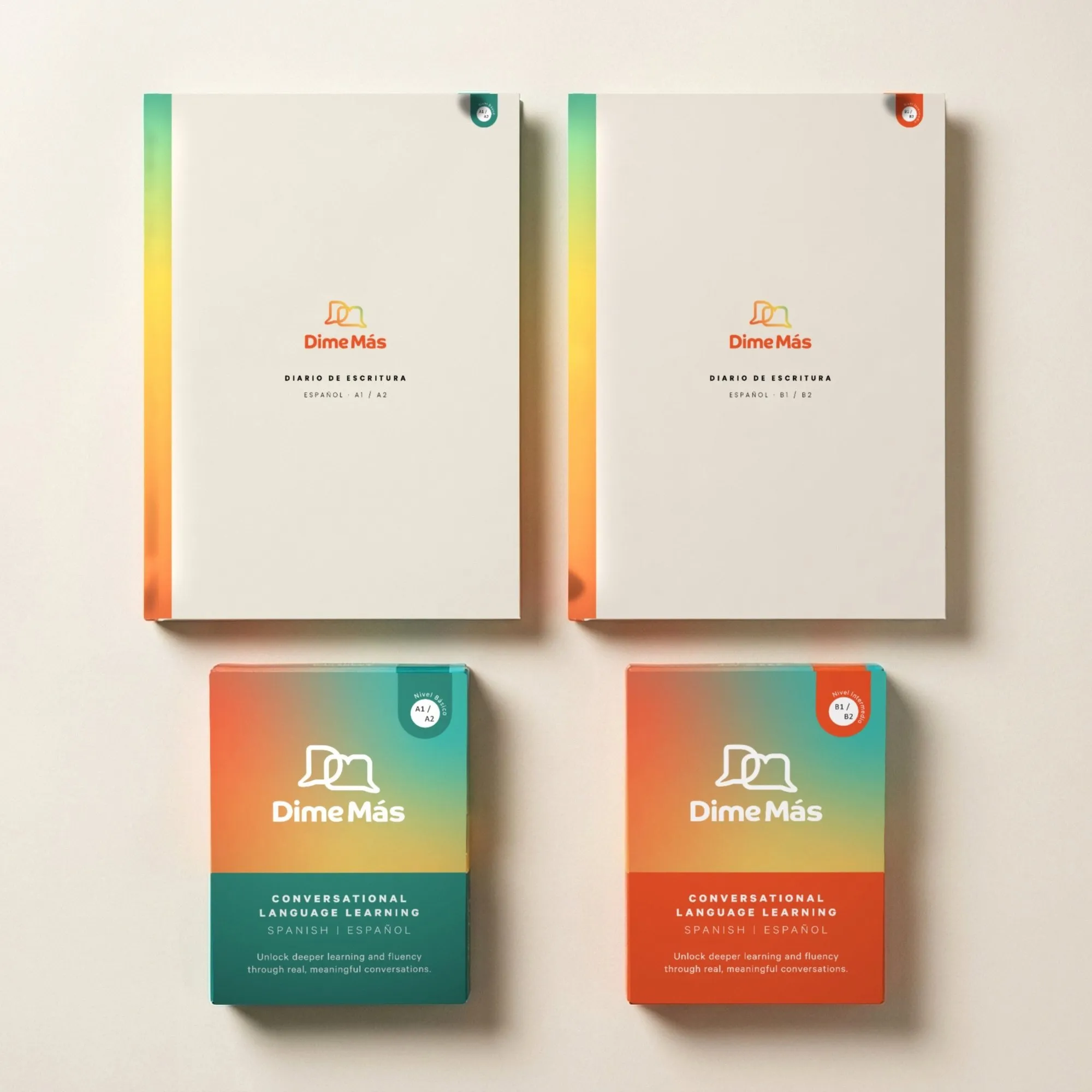
Tell someone a story you heard while you were away, in Spanish if you can, or in English with one Spanish sentence tucked inside. That’s how a trip turns into practice and not just a camera roll. And if you packed a box of Dime Más for the journey and never opened it, now’s a good time.
One good question is enough
You don’t need twenty phrases for a good conversation on holiday. One question you trust, asked at the right moment with time to listen, is plenty. Say it out loud a few times before you go and answer it yourself so it feels familiar. Then use it once when the moment feels right, maybe with a host or on a walk that’s already turned friendly. You’ll get more from that one exchange than from a week of ordering everything perfectly.
Every article is built on published research and checked against the original study. Edited by Cameron Graham.
Related
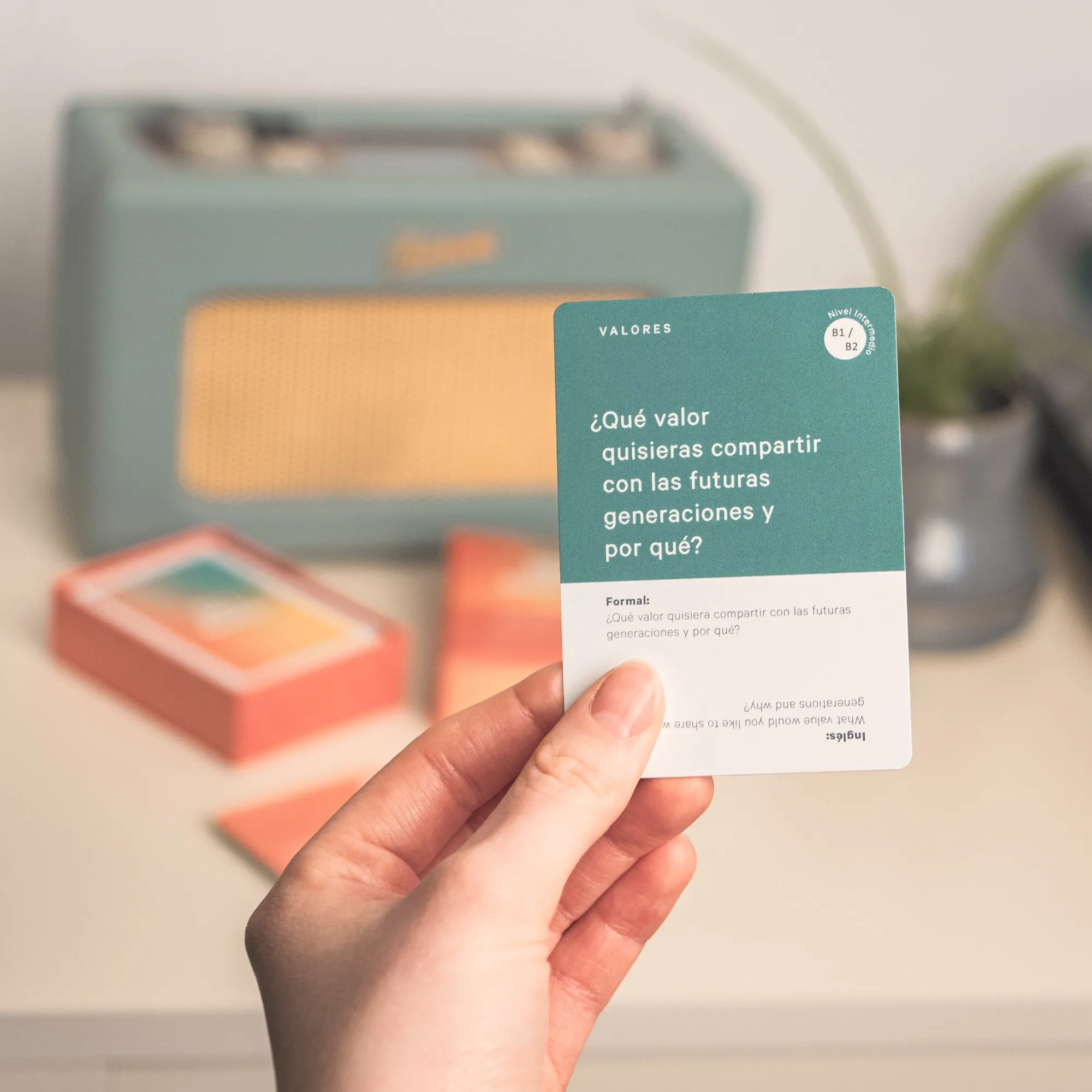

A question
What would you ask a stranger if you weren't in a hurry to get somewhere?
Get the next one by email →